Orient
Ten destinations from Phuket to Tokyo Bay — where monsoon timing matters more than anywhere else on Earth, and the payoff is a coastline still being discovered.
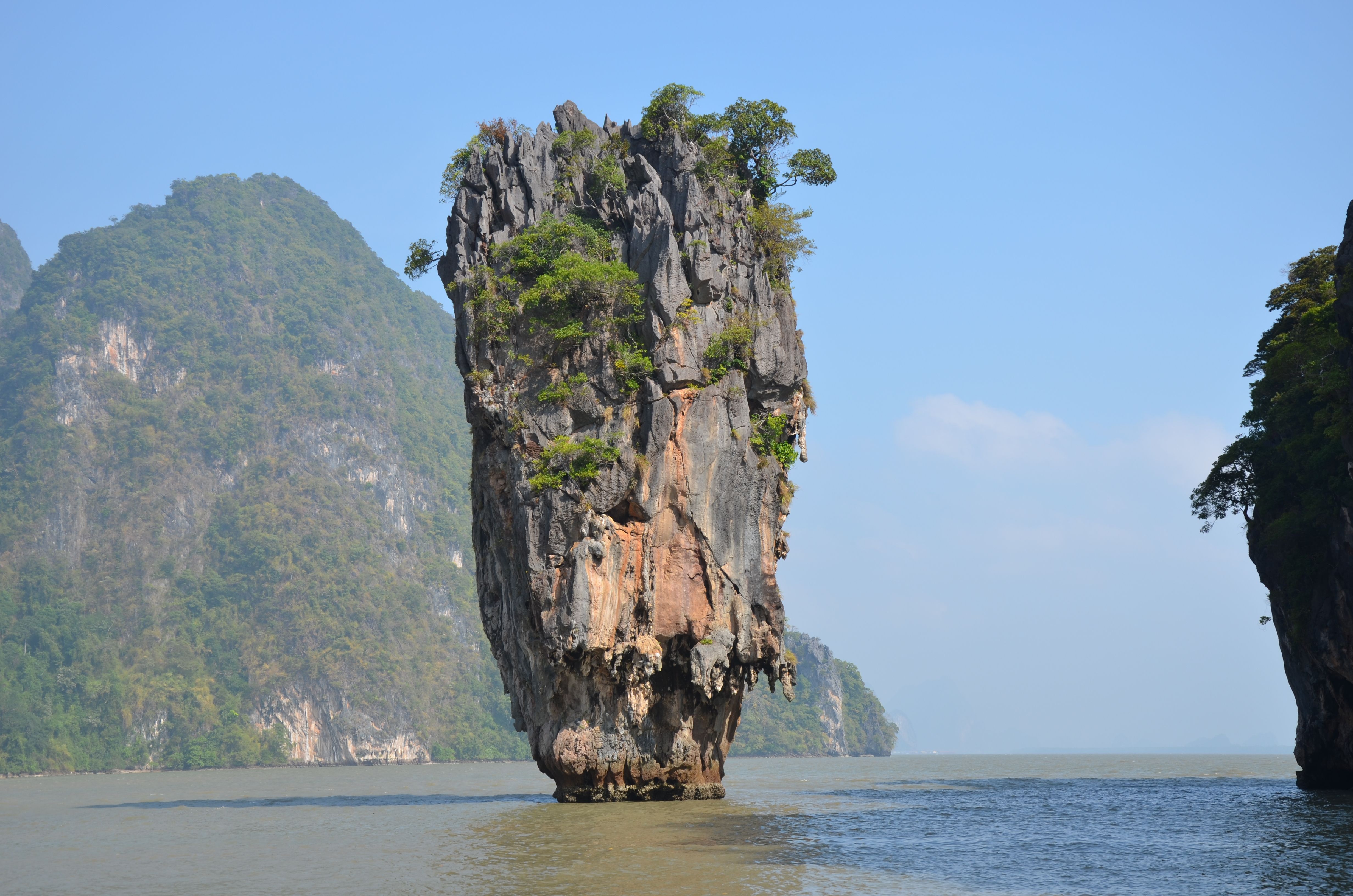
Limestone karsts rising straight from jade-green water — Southeast Asia’s most established charter base, and still its most photogenic.
BEST SEASON
November – April
SIGNATURE PORT
Ao Po Grand Marina, Phuket
INSIDER EDGE
Southwest monsoon runs May to October
Port & City
Phuket is Southeast Asia’s established charter hub, and Ao Po Grand Marina on the island’s quieter east coast avoids the congestion of Phuket’s more touristed west-side beaches while sitting closer to Phang Nga Bay’s limestone islands. Thailand’s cruising calendar is dictated firmly by the monsoon — the Andaman Sea turns genuinely rough during the southwest monsoon from May through October, and most serious charter operators simply don’t run during that window. Phuket Town itself, with its Sino-Portuguese shophouse architecture from the tin-mining era, offers a genuinely different urban texture from the beach resorts most visitors never leave.

CUISINE
Cuisine
Southern Thai food runs noticeably spicier and more turmeric-forward than the Bangkok or Chiang Mai versions most visitors know, and Phuket’s own gaeng tai pla, a fiery fish-kidney curry, is a genuinely local dish rarely found outside the region. The night markets — Chillva Market and the weekend market near Phuket Town — offer the widest and most authentic range of street food, from moo ping grilled pork skewers to oyster omelets cooked on massive flat-top griddles. Southern Thai seafood, particularly the blue swimmer crab curries served along Rawai’s seafood strip, is worth ordering fresh and simply prepared rather than through an elaborate tasting menu.
ACTIVITIES & PLACES
Activities & Places
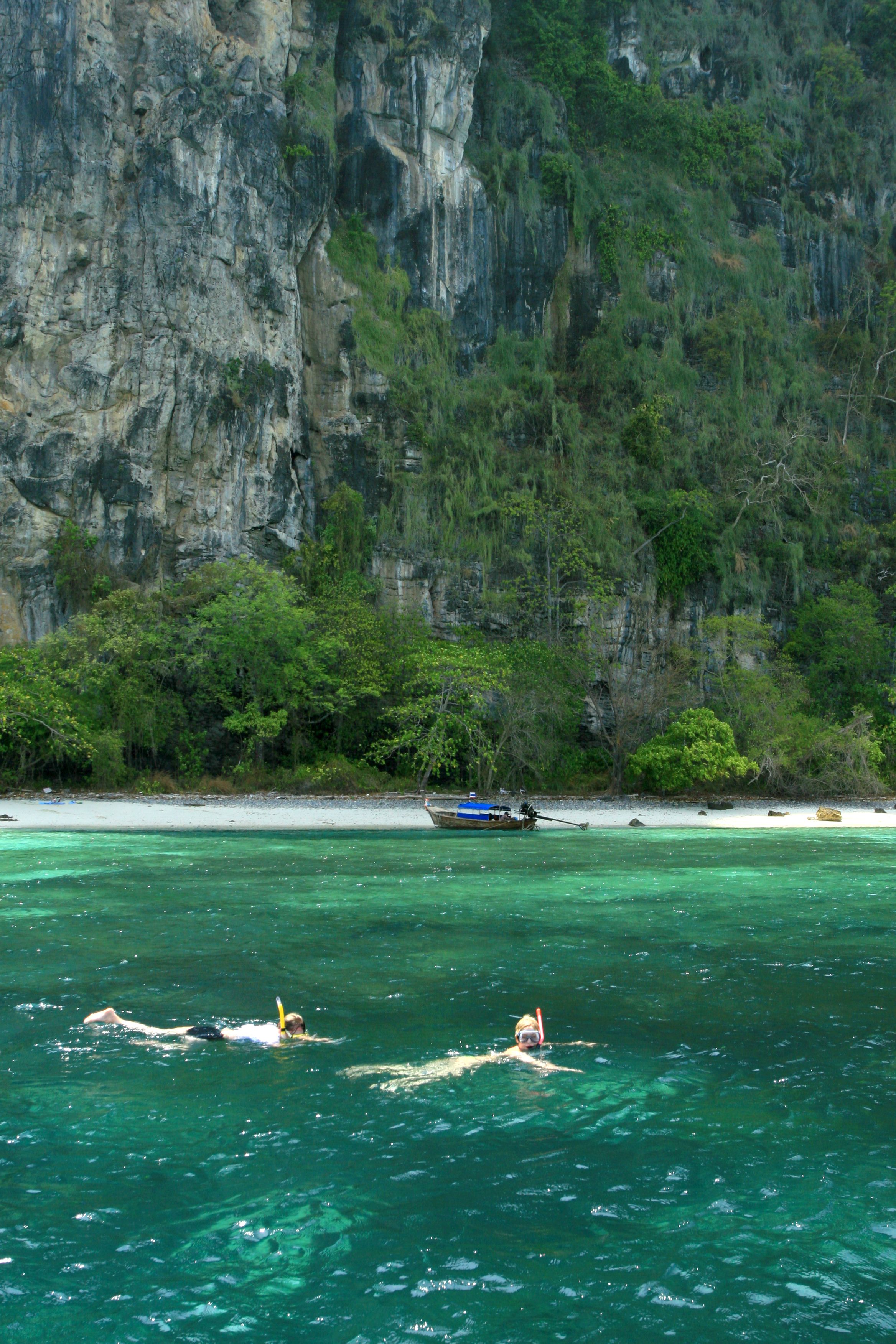
Phang Nga Bay’s limestone karsts, rising vertically out of jade-green water, include James Bond Island and dozens of lesser-known formations that a private yacht can reach well before the day-tour boats from Phuket arrive each morning. The Phi Phi Islands, forty-five minutes by boat, hold Maya Bay — reopened to visitors with strict time limits after a multi-year closure to let the reef recover — worth timing carefully to avoid the crowds that still gather during open hours. Koh Yao Noi and Koh Yao Yai, less developed islands within Phang Nga Bay itself, offer traditional fishing village anchorages a genuine step removed from Phuket’s resort intensity.
INSIDER TIP
Maya Bay now closes daily for reef recovery and caps visitor numbers — check current entry hours before planning an anchorage stop, since the schedule has changed more than once since reopening.

Silica sand so pure it stays cool underfoot, and a reef system large enough to see from space.
BEST SEASON
August – November
SIGNATURE PORT
Abell Point Marina, Airlie Beach
INSIDER EDGE
Biosecurity checks are strict on arrival
Port & City
Abell Point Marina at Airlie Beach is the gateway to the Whitsundays, a cluster of seventy-four mostly uninhabited islands protected within their own marine park along the Great Barrier Reef’s inner edge. Australia’s biosecurity regime is genuinely strict — fresh produce, honey, and certain wood items are routinely confiscated on arrival, and a yacht’s provisioning should account for this rather than assume a casual customs pass. The Whitsundays’ sailing conditions are considered among the most reliable and protected in the world, with the surrounding islands providing natural shelter that makes for consistently calmer water than the open reef further out.

CUISINE
Cuisine
Barramundi, a mild white fish native to northern Australian waters, is the seafood most associated with the Queensland coast and best ordered simply grilled at the waterfront restaurants around Airlie Beach rather than heavily sauced. Queensland mud crab, pulled from the mangroves along the coast, is treated with genuine reverence locally — typically served whole, cracked at the table, with little more than butter or a simple chili sauce to let the meat speak for itself. Australia’s wine regions are a world away geographically, but a bottle from the Hunter Valley or Margaret River, both producing genuinely world-class wine, is worth stocking before departure rather than settling for the export-grade Shiraz sold internationally.

ACTIVITIES & PLACES
Activities & Places
Whitehaven Beach, seven kilometers of pure silica sand so fine it squeaks underfoot and never overheats even in full sun, is regularly ranked among the world’s best beaches and is best viewed first from the Hill Inlet lookout, where the tide swirls the sand and water into distinct marbled patterns. The Great Barrier Reef, the world’s largest living structure and visible from space, offers snorkeling and diving directly accessible from a Whitsundays anchorage — Hardy Reef and the Heart Reef formation, a naturally heart-shaped coral outcrop, are among the most requested sites. Hamilton Island, the only inhabited island in the group with any real infrastructure, offers a golf course and restaurants for a change of pace from days spent entirely at anchor.
INSIDER TIP
Stinger season, roughly November through May, brings box jellyfish to the northern Queensland coast — a stinger suit or netted swimming area is genuinely necessary, not a precaution to skip.
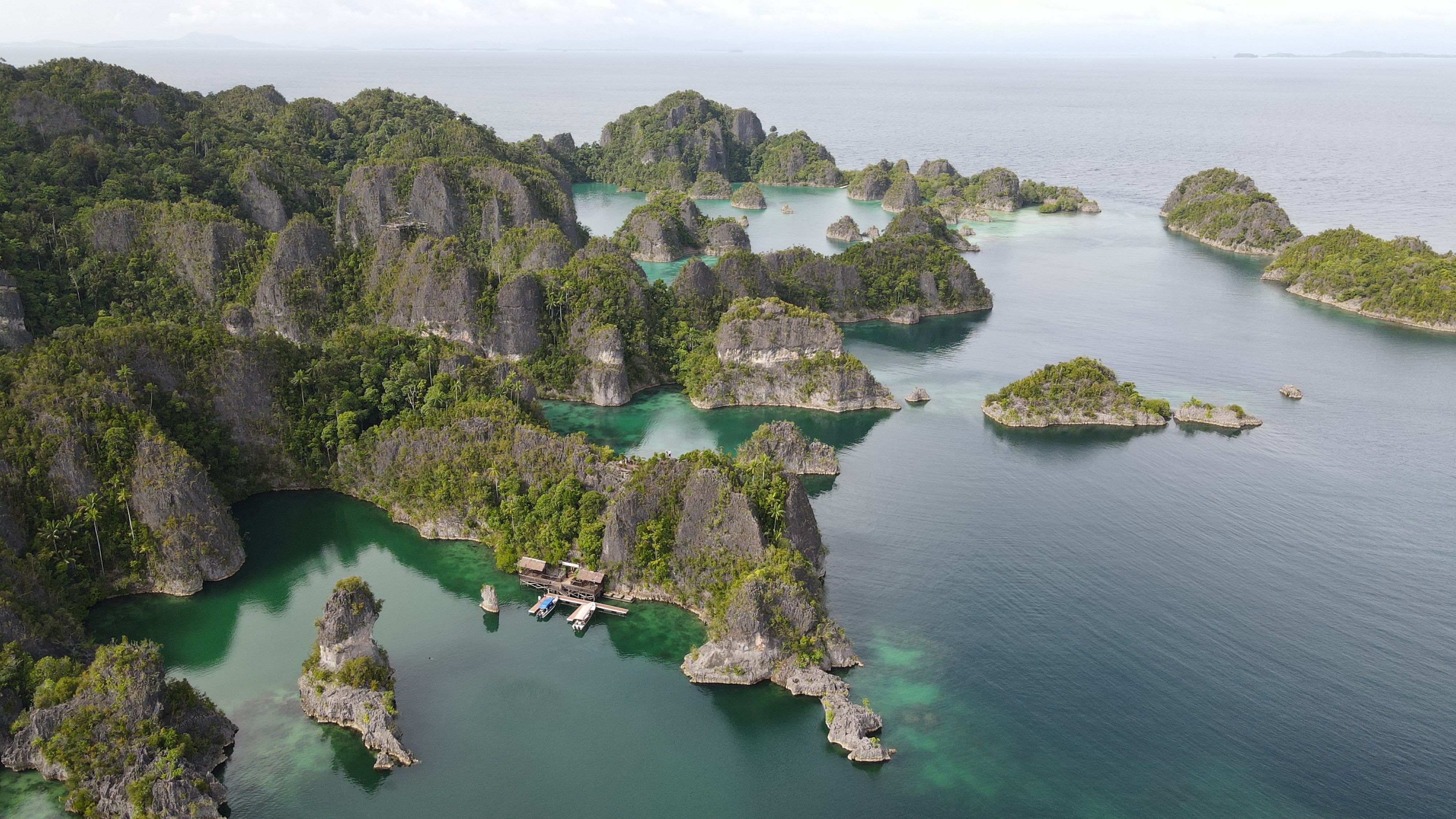
Seventeen thousand islands, and Raja Ampat alone holds more coral species than the entire Caribbean.
BEST SEASON
October – April
SIGNATURE PORT
Benoa Harbour, Bali
INSIDER EDGE
CAIT clearance required for foreign yachts
Port & City
Benoa Harbour in Bali is Indonesia’s standard yachting entry point and the practical staging base for itineraries heading east toward Komodo or the more remote Raja Ampat archipelago. Foreign-flagged yachts need a CAIT — Clearance Approval for Indonesian Territory — arranged through an agent before entering Indonesian waters, a formality that genuinely trips up captains who assume Southeast Asian bureaucracy will resemble Thailand’s. Indonesia’s sheer geographic scale, over seventeen thousand islands spanning three time zones, means most itineraries pick one region rather than attempting to see the whole archipelago in a single season — Bali and the Gili Islands for accessible cruising, Komodo for wildlife and diving, Raja Ampat for the most serious reef diving anywhere in the world.
CUISINE
Cuisine
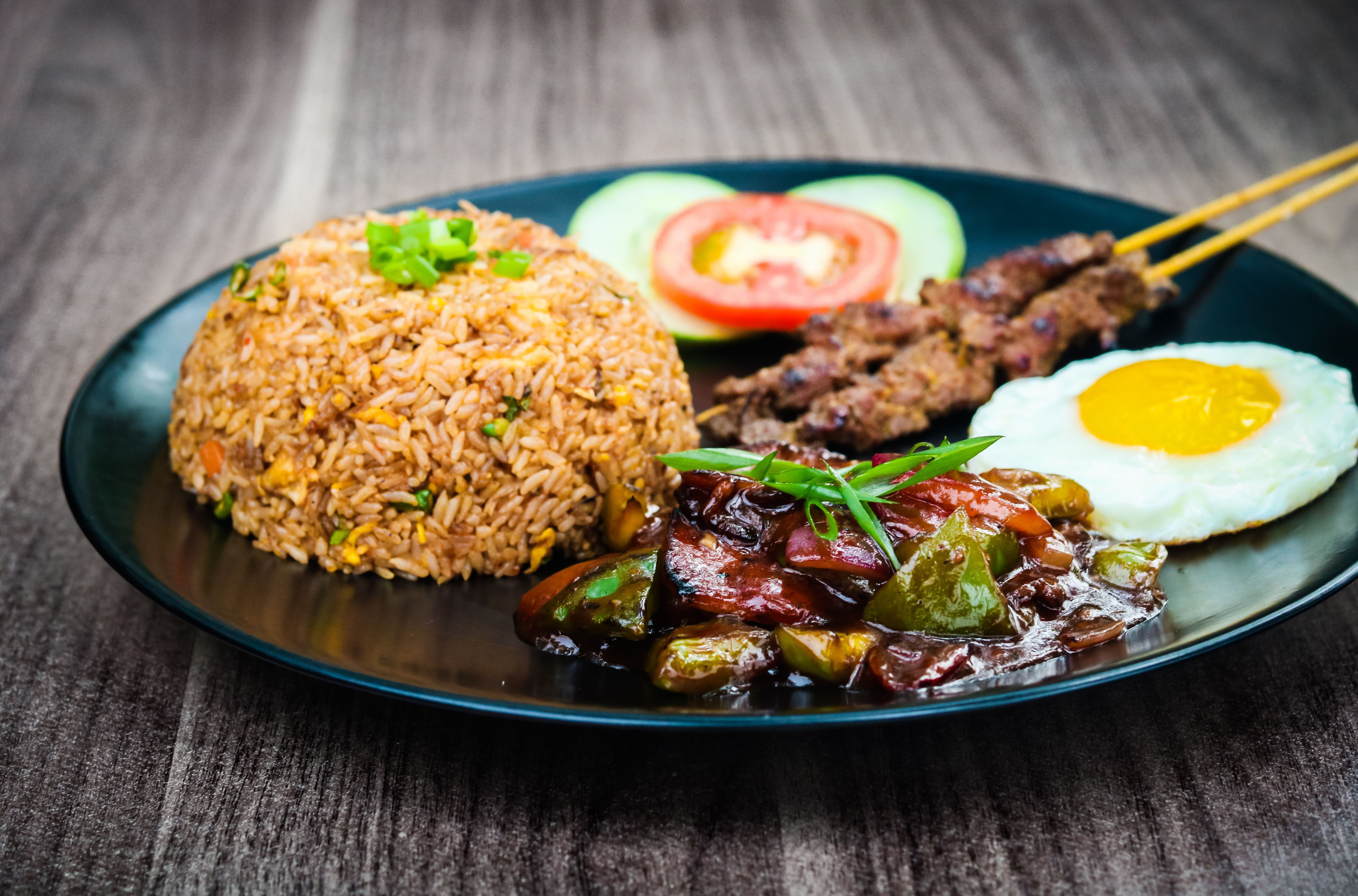
Nasi goreng, Indonesia’s fried rice built around a distinctive sweet soy sauce called kecap manis, varies genuinely by region and household — the version at a Balinese warung, a small family-run eatery, bears little resemblance to the standardized hotel breakfast buffet plate. Babi guling, whole roasted suckling pig stuffed with Balinese spices and turmeric, is a ceremonial dish traditionally served at temple celebrations, though a handful of Ubud restaurants now serve it daily and it’s worth the detour inland. Sate lilit, minced fish or chicken satay wrapped around a lemongrass stalk rather than skewered on bamboo, is a distinctly Balinese preparation worth seeking out over the more generic satay found across Southeast Asia.
ACTIVITIES & PLACES
Activities & Places
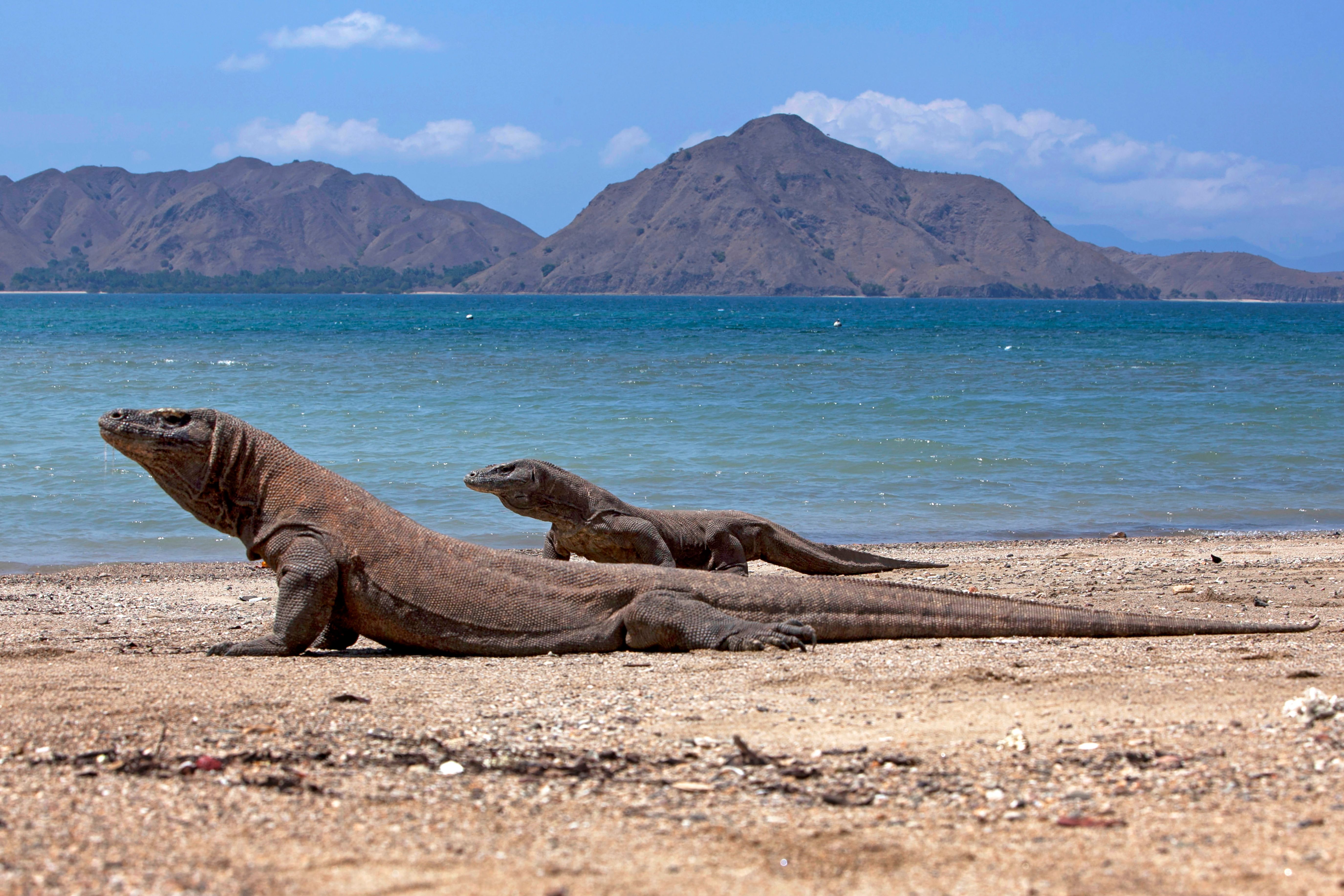
Komodo National Park is the only place on Earth to see Komodo dragons in the wild, and a guided walk on Rinca or Komodo Island itself, with a ranger for safety, offers a genuinely rare wildlife encounter alongside some of Indonesia’s most dramatic pink-sand beaches. Raja Ampat, at the far eastern edge of the archipelago, sits at the heart of the Coral Triangle and holds more coral and fish species than anywhere else surveyed on the planet — a serious diving destination that requires a longer positioning cruise but rewards it completely. The Gili Islands, a short hop from Bali, offer a more accessible and considerably more developed alternative for guests who want reef access without the logistics of reaching Komodo or Raja Ampat.
INSIDER TIP
CAIT clearance can take several weeks to process — start it well before the planned entry date, since arriving without it forces a costly, time-consuming detour to sort out on the water.
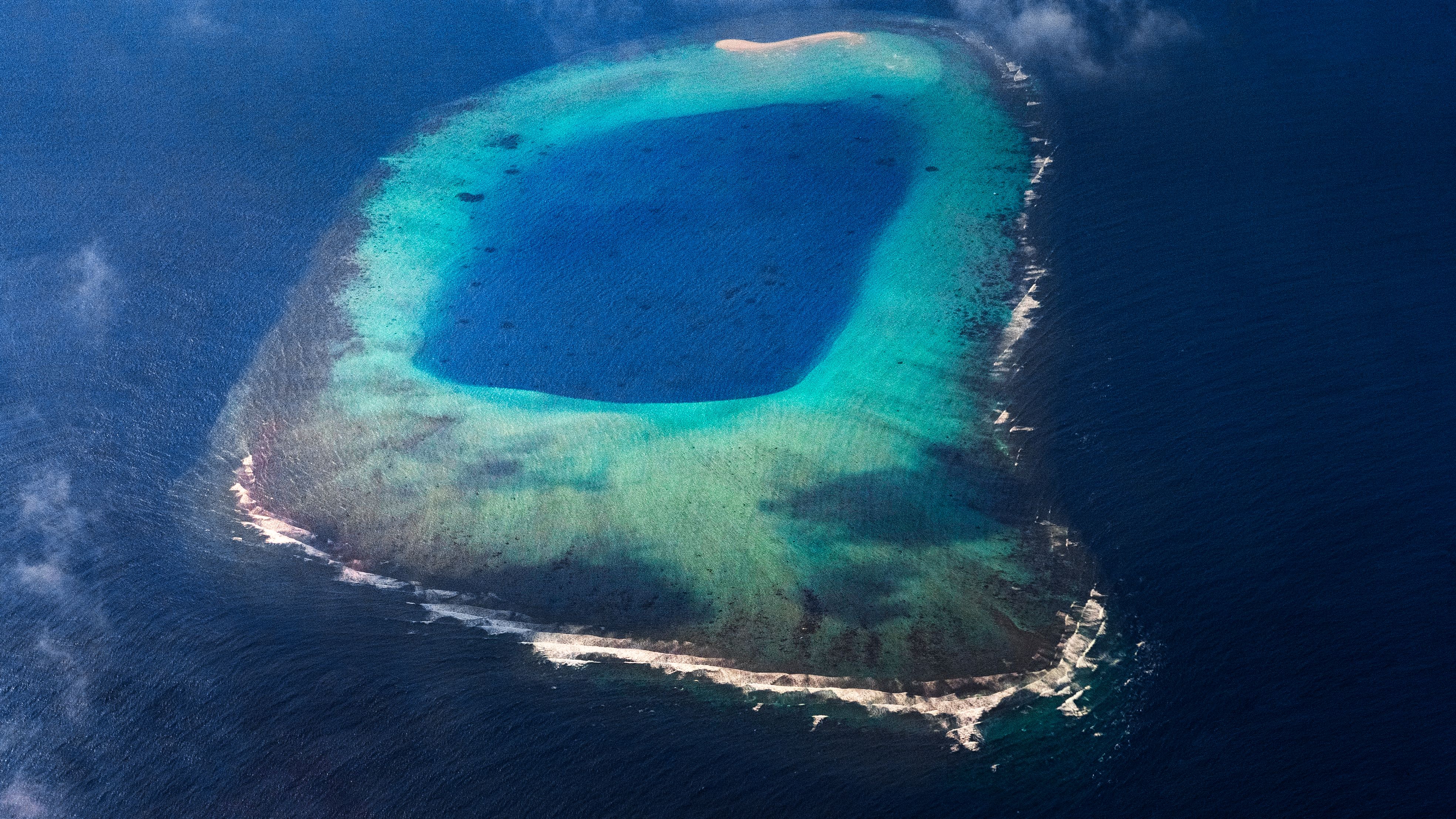
Twelve hundred coral islands scattered across the Indian Ocean, and the atolls beyond the resorts are where a yacht actually earns its keep.
BEST SEASON
December – April
SIGNATURE PORT
Marina at CROSSROADS, Malé
INSIDER EDGE
Most islands are single-resort or uninhabited
Port & City
The Maldives has no single yachting hub in the way most destinations do — the country is fundamentally a scatter of twenty-six coral atolls, and Malé, the capital, functions mainly as the clearance and provisioning point rather than a place to linger. The Marina at CROSSROADS, a newer development just outside Malé, offers the most complete facilities in the country, though many yachts simply clear customs there and head straight out to the atolls. Unlike almost anywhere else in this guide, the Maldives has very little indigenous public infrastructure between islands — each resort island is typically self-contained, and much of what a captain would call ‘the town’ simply doesn’t exist outside greater Malé.
CUISINE
Cuisine
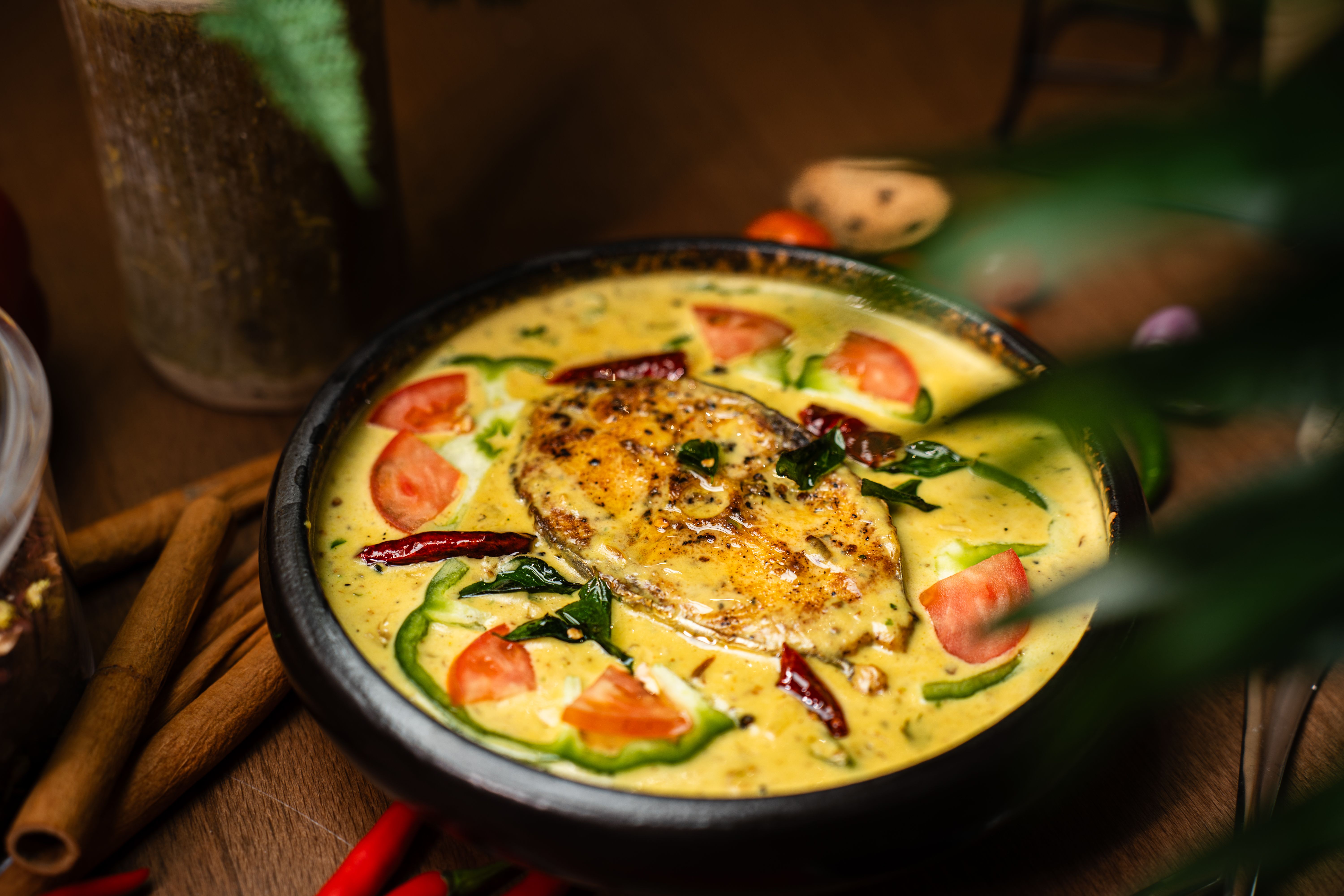
Garudhiya, a clear, fragrant fish broth served with rice, lime and chili, is the Maldivian comfort dish most tourists never encounter since it rarely appears on resort menus built around international cuisine. Mas huni, shredded smoked tuna mixed with grated coconut, onion and chili, is the standard Maldivian breakfast and worth requesting specifically rather than settling for a Western buffet spread. Maldivian cuisine leans heavily on tuna, caught locally and consumed in more forms than most visitors expect — smoked, dried, curried and raw — reflecting the country’s near-total dependence on the surrounding ocean for its food culture, historically far more than agriculture.
ACTIVITIES & PLACES
Activities & Places
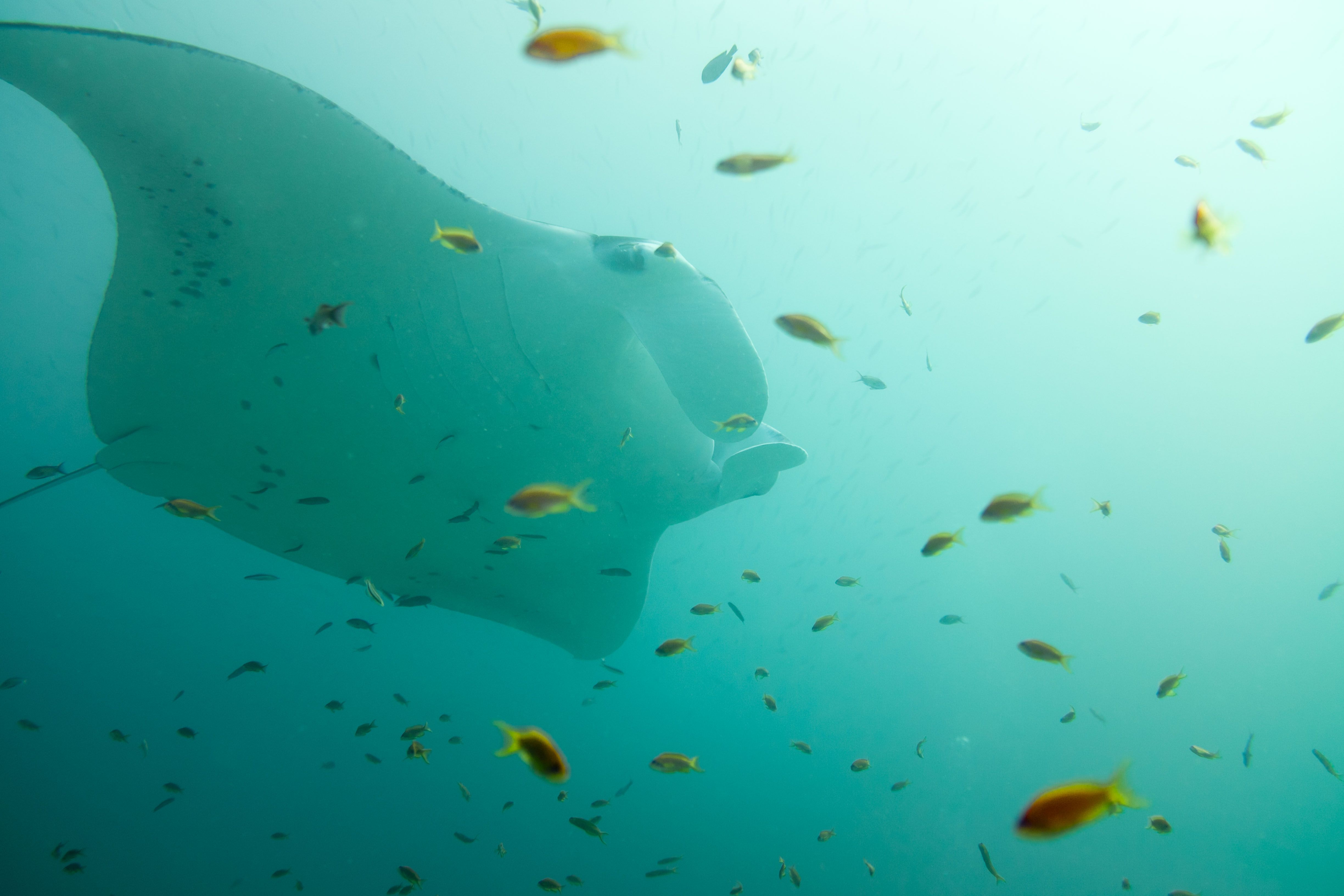
Hanifaru Bay in Baa Atoll, a UNESCO Biosphere Reserve, hosts one of the largest manta ray feeding aggregations on Earth between June and November, when plankton-rich currents draw hundreds of mantas and occasionally whale sharks into a single shallow bay — a strictly regulated but genuinely extraordinary snorkeling encounter. The atolls beyond the main resort clusters, particularly in the northern and southern extremities of the country, hold house reefs that remain essentially untouched, since most visitors never venture beyond their assigned resort island. Sandbanks that appear and disappear with the tide, some barely large enough for a single beach setup, offer a level of privacy that no beach club or public beach anywhere else in this guide can match.
INSIDER TIP
A yacht’s independence is the real advantage here over a resort stay — reaching remote atolls and unnamed sandbanks that a resort guest simply cannot access is the entire case for chartering rather than booking a villa.
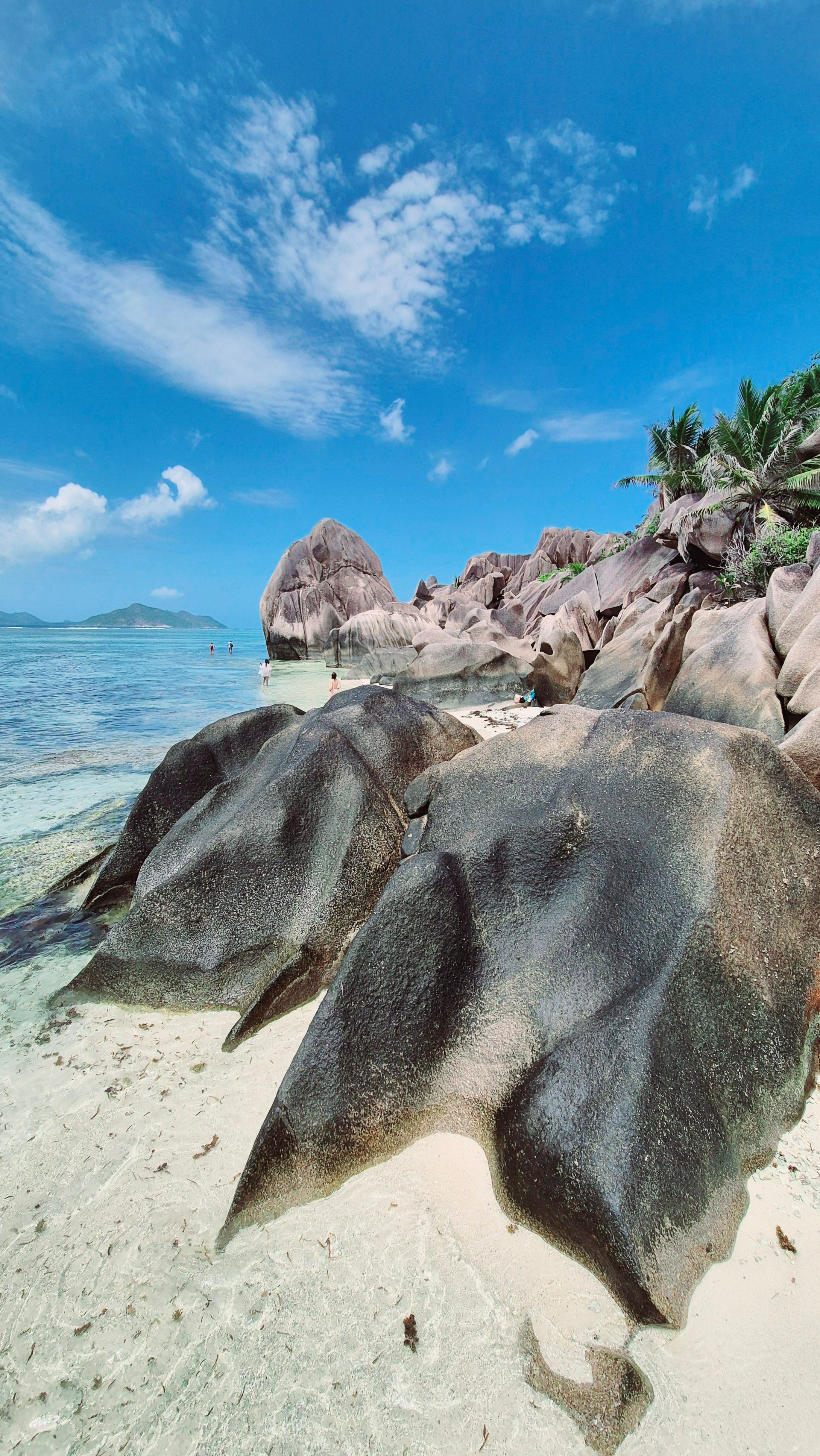
Granite boulders older than any landmass on Earth, sculpted into the beaches that launched a thousand postcards.
BEST SEASON
April – May, October – November
SIGNATURE PORT
Eden Island Marina, Mahé
INSIDER EDGE
Sits outside the main cyclone belt
Port & City
Eden Island Marina, on a purpose-built residential island just off Mahé’s east coast, is the Seychelles’ most complete yachting facility and the practical starting point for cruising the inner islands. The Seychelles sits largely outside the Indian Ocean’s main cyclone belt, giving it a genuinely wider comfortable cruising window than Mauritius or Madagascar further south — a meaningful advantage for anyone planning a longer regional season. The 115 islands split cleanly into two groups: the granite inner islands around Mahé, Praslin and La Digue, geologically unique as the world’s only mid-ocean granite islands, and the coral outer islands, remote atolls requiring a much longer passage and generally reserved for expedition-style itineraries.

CUISINE
Cuisine
Seychellois Creole cuisine blends French, African and Indian influences into something genuinely distinct — grilled fish with a tomato-based rougaille sauce is the everyday staple, best found at the small takeaways around Victoria’s market rather than a hotel’s international buffet. Coco de mer, the world’s largest seed and a plant found naturally nowhere else on Earth, doesn’t feature in cooking but is worth knowing about as a Seychelles-specific curiosity displayed at Praslin’s Vallée de Mai reserve. Octopus curry, slow-cooked until genuinely tender rather than rubbery, showcases the Seychelles’ reliance on the surrounding reef for its protein and is a dish worth actively seeking rather than defaulting to the more familiar grilled fish.

ACTIVITIES & PLACES
Activities & Places
Anse Source d’Argent on La Digue, its pink-tinged sand framed by house-sized pink granite boulders shaped by millions of years of erosion, is the single most photographed beach in the Indian Ocean and genuinely lives up to the images — best visited by tender directly rather than through the island’s bicycle-and-ox-cart tourist route. Curieuse Island holds a colony of wild Aldabra giant tortoises, some over a century old, roaming freely rather than confined — a rare chance to encounter genuinely enormous wildlife on foot at close range. Praslin’s Vallée de Mai, a UNESCO World Heritage rainforest, is the only place on Earth where the coco de mer palm grows wild, its massive double-lobed seed found nowhere else in nature.
INSIDER TIP
Anse Source d’Argent gets genuinely crowded once the day-trip boats from Praslin arrive mid-morning — an early tender run gives a real chance at the beach nearly empty.

Three hundred islands, a third of them uninhabited, and soft coral reefs that gave the South Pacific its reputation.
BEST SEASON
May – October
SIGNATURE PORT
Port Denarau Marina, Nadi
INSIDER EDGE
Called the ‘Soft Coral Capital of the World’
Port & City
Port Denarau Marina near Nadi is Fiji’s principal yachting gateway, with the Mamanuca and Yasawa island chains stretching northwest within a day’s reach — a genuinely rare setup where world-class cruising grounds sit directly off the main port rather than requiring a long positioning passage. Fiji’s more than three hundred islands, roughly a third of them uninhabited, split the country into distinct cruising zones: the accessible Mamanucas near Nadi, the longer and less developed Yasawa chain further out, and the Lau Group in the remote east, rarely visited by charter yachts and requiring a serious offshore passage. The country markets itself, with real justification, as the Soft Coral Capital of the World, and the Bligh Water passage between the main islands holds some of the most vivid coral color anywhere in the Pacific.
CUISINE
Cuisine
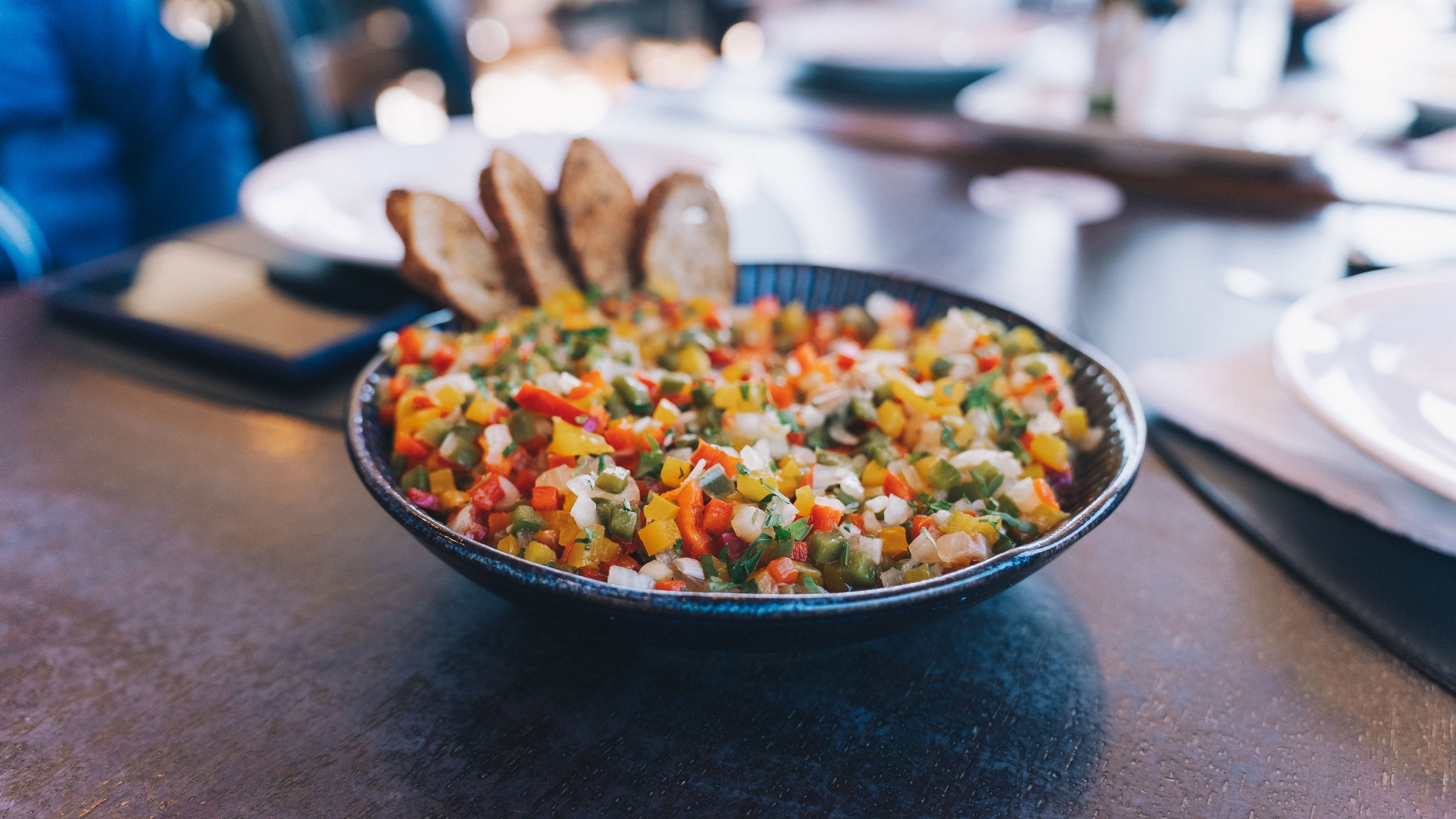
Kokoda, raw fish marinated in citrus with coconut milk, chili and diced vegetables, is Fiji’s answer to ceviche and the dish most worth ordering fresh at a village lovo feast or a proper local restaurant rather than a resort buffet. The lovo, an underground earth oven used for slow-cooking meat, fish and root vegetables wrapped in banana leaves, is a genuine communal ritual traditionally reserved for special occasions, and a handful of villages now offer visitors the chance to witness or join a real lovo rather than a staged tourist version. Kava, a mildly sedative drink made from ground pepper-plant root, is central to Fijian social and ceremonial life — accepting a bowl when offered, following the simple clap-and-drink ritual, is treated as a genuine sign of respect rather than a photo opportunity.
ACTIVITIES & PLACES
Activities & Places
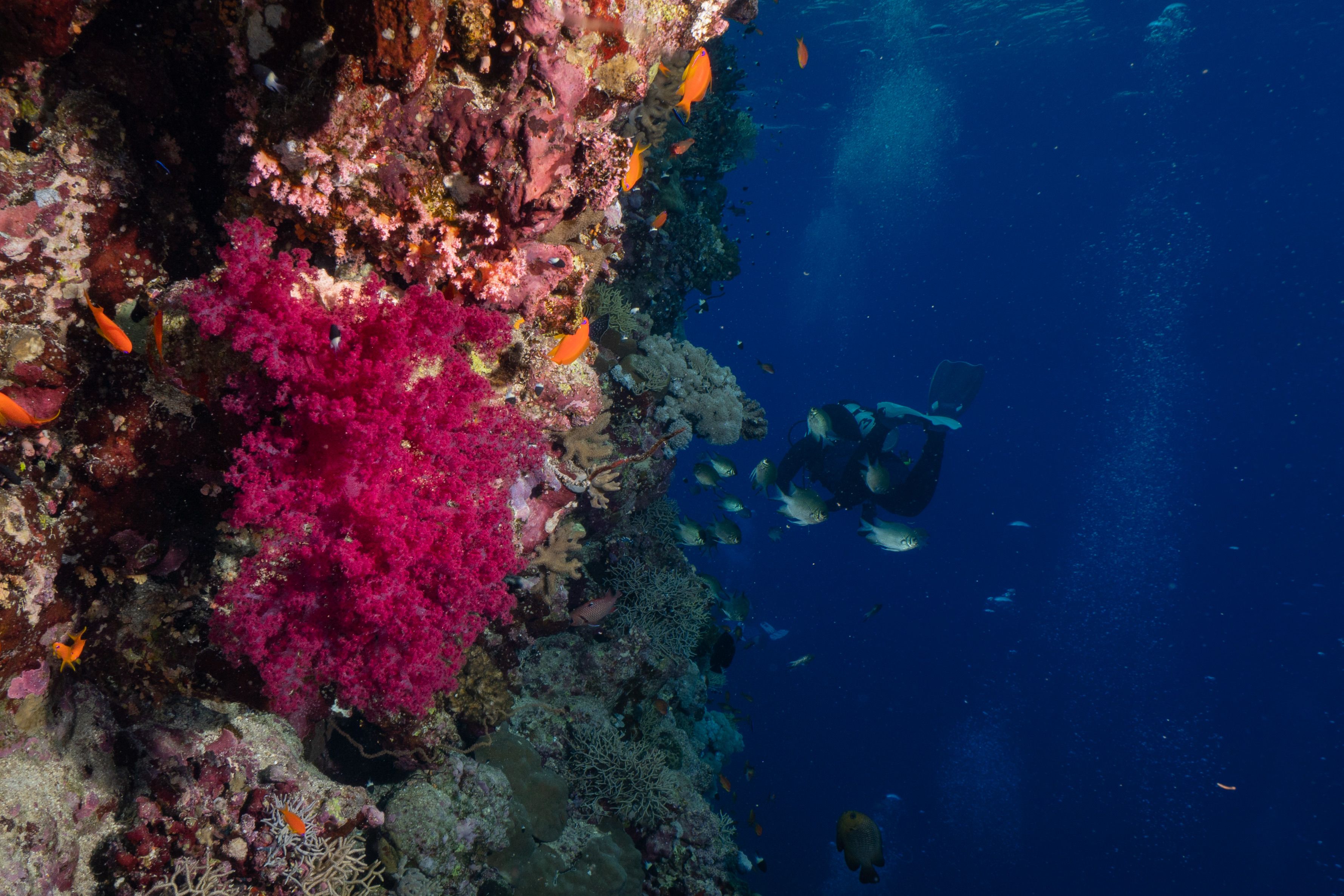
The Yasawa Islands, a chain of volcanic peaks and white-sand beaches stretching sixty miles northwest of Nadi, offer some of the most consistently beautiful anchorages in the South Pacific with a level of privacy the more developed Mamanucas can no longer match. The Namena Marine Reserve, protected since the 1990s, holds soft coral walls dropping to genuine depth and is considered by many dive operators to be Fiji’s finest single site, drawing manta rays and reef sharks in healthy numbers. Sawa-i-Lau, a limestone cave system on a small Yasawa island accessible by swimming through a submerged tunnel into an interior chamber lit by a natural skylight, is a genuinely memorable detour few charter itineraries elsewhere in the world can match for sheer novelty.
INSIDER TIP
Many outer islands are still governed by traditional village ownership — a sevusevu, a small kava-root gift presented to the village chief, is customary before anchoring near or visiting a village, and skipping it can genuinely close doors a proper introduction would open.
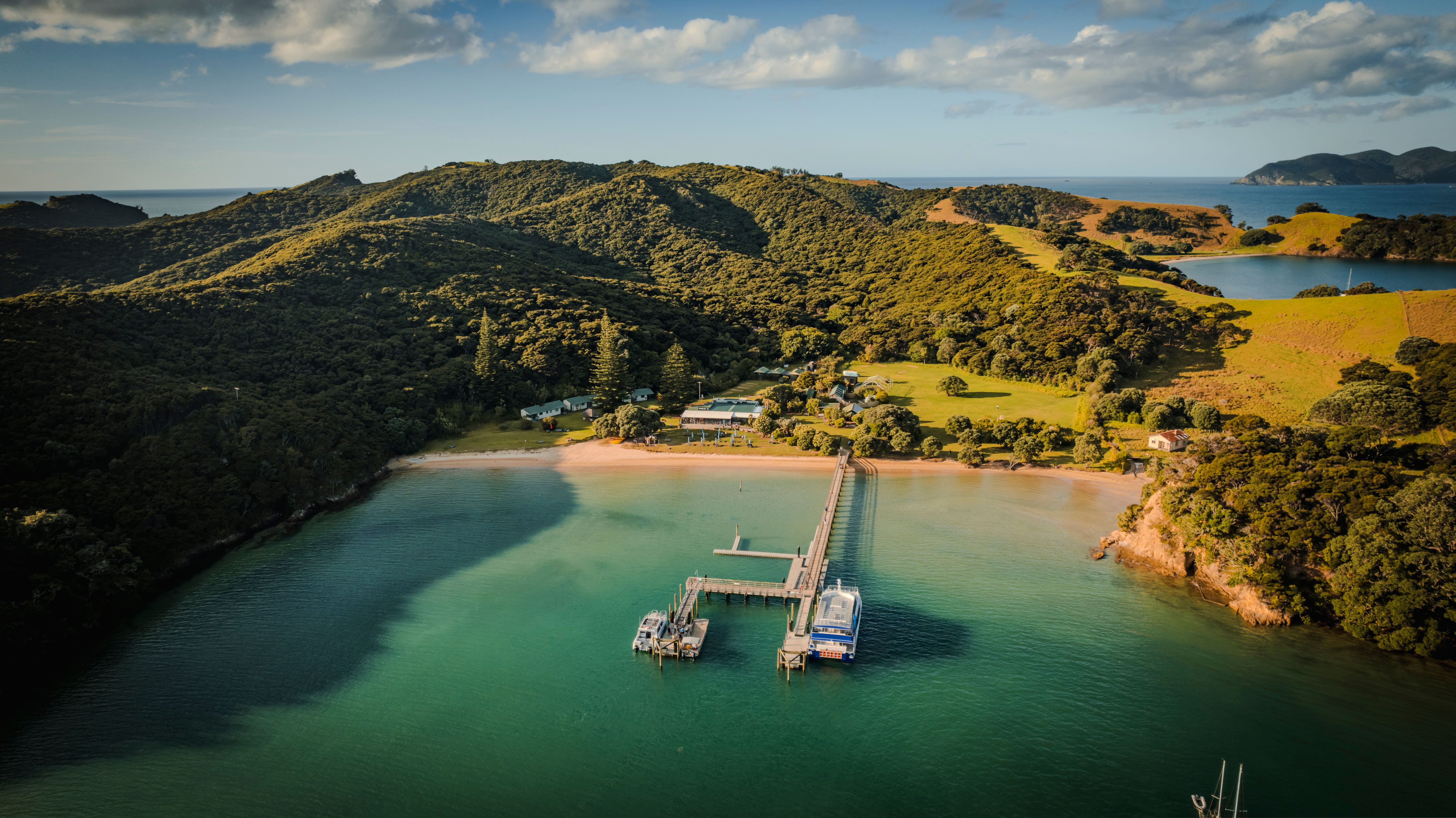
A Southern Hemisphere summer season and fjords carved by ice rather than tectonics — the Pacific’s most temperate cruising ground.
BEST SEASON
December – March
SIGNATURE PORT
Opua Marina, Bay of Islands
INSIDER EDGE
A popular cyclone-season refuge for Pacific fleets
Port & City
Opua Marina in the Bay of Islands is New Zealand’s principal international clearance port and, every year, a genuine seasonal refuge — much of the South Pacific’s cruising fleet migrates here each November to sit out the Pacific cyclone season before heading back north. The Bay of Islands itself, a cluster of over 140 islands scattered across a sheltered stretch of Northland coast, offers protected, reliable sailing that has made it New Zealand’s default charter base rather than a niche choice. New Zealand runs on Southern Hemisphere seasons, meaning its cruising window falls in the Northern Hemisphere’s winter — worth noting for captains used to planning a single global season around one calendar.

CUISINE
Cuisine
Green-lipped mussels, farmed almost exclusively in New Zealand waters and named for the distinctive color along their shell edge, are the seafood most associated with the country and best eaten simply steamed with white wine and garlic at a proper seafood restaurant in the Bay of Islands rather than shipped elsewhere. Bluff oysters, harvested from the cold southern waters around Stewart Island, run a short season from March to August and are prized by New Zealanders as the country’s finest, worth timing a southern leg of a trip around if the season aligns. New Zealand’s Marlborough Sauvignon Blanc redefined the variety globally over the past few decades, and a bottle from a small producer, rather than the export-scale labels found everywhere, is worth seeking out while provisioning locally.
ACTIVITIES & PLACES
Activities & Places
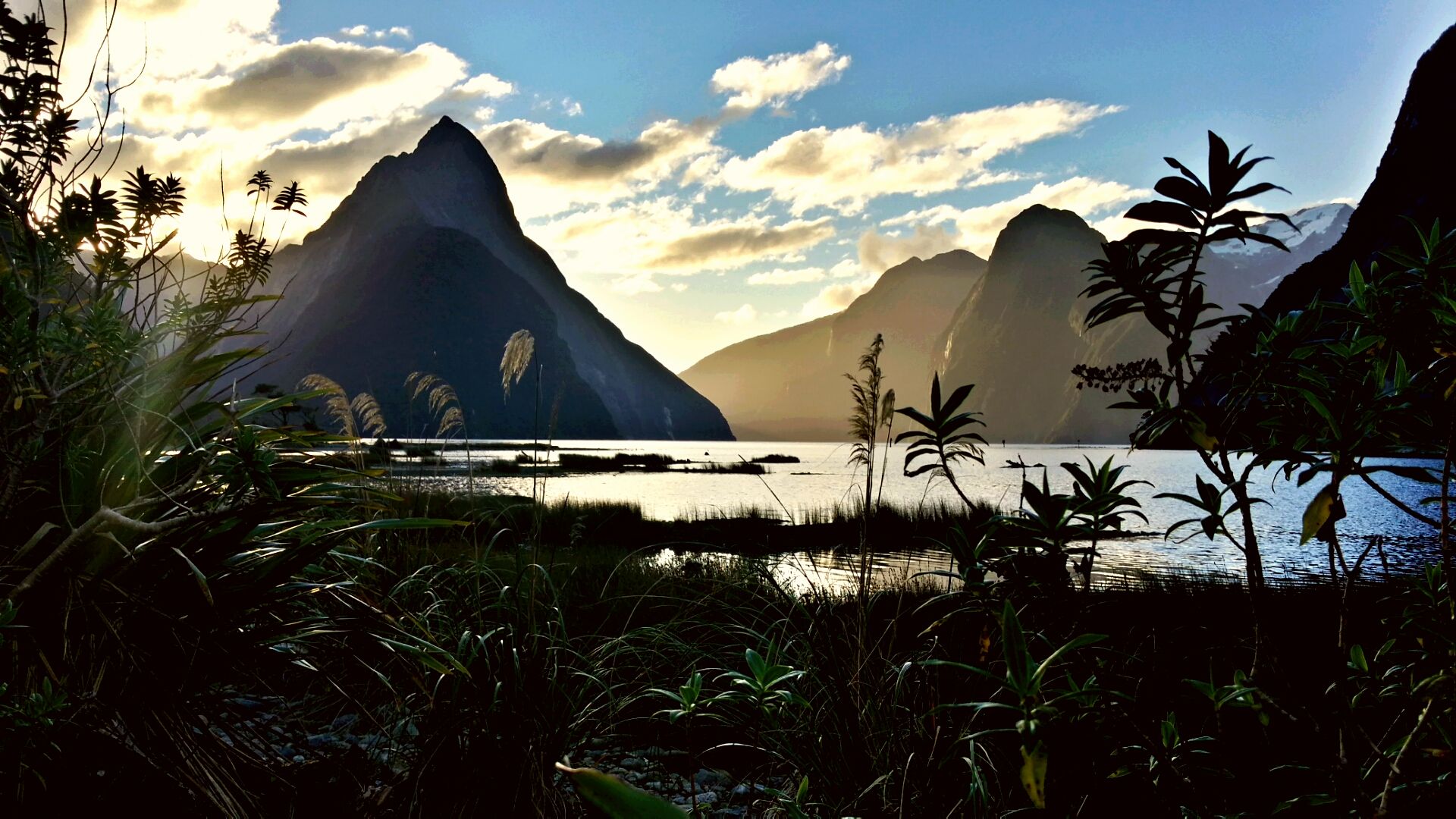
The Bay of Islands’ Cape Brett and the Hole in the Rock, a natural sea arch carved through a rock stack at the tip of the cape, remain a signature excursion despite decades of tourism, and a private yacht can time the passage through it far more comfortably than a scheduled tour boat. Waiheke Island, forty minutes by ferry from Auckland, has become a genuine wine destination in its own right, with over thirty vineyards and cellar doors worth a full day away from the boat. For crews willing to extend further south, Milford Sound and the Fiordland coast — glacier-carved fjords with waterfalls dropping directly into the sea — offer some of the most dramatic coastal scenery in the Southern Hemisphere, though reaching them requires a serious passage down New Zealand’s west coast.
INSIDER TIP
Opua fills quickly with the Pacific fleet arriving each November ahead of cyclone season — booking a berth well ahead of that migration avoids competing for space with dozens of arriving boats at once.

Over seven thousand islands, and Palawan alone has been named the world’s best island often enough that the claim has stopped surprising anyone.
BEST SEASON
November – May
SIGNATURE PORT
El Nido, Palawan
INSIDER EDGE
Typhoon season runs June to November
Port & City
El Nido, on the northern tip of Palawan, has grown from a sleepy fishing town into the country’s premier yachting base, its surrounding Bacuit Archipelago holding some of the most dramatic limestone island scenery anywhere in Southeast Asia. Palawan has been named the world’s best island by international travel publications often enough that the accolade barely registers as news anymore, and the province’s relative remoteness from Manila has genuinely helped preserve it compared to more accessible Philippine destinations. The country sits squarely in the Pacific typhoon belt, with the main season running June through November — most serious charter operators simply don’t run during that window, concentrating instead on the reliably dry months from December to April.
CUISINE
Cuisine
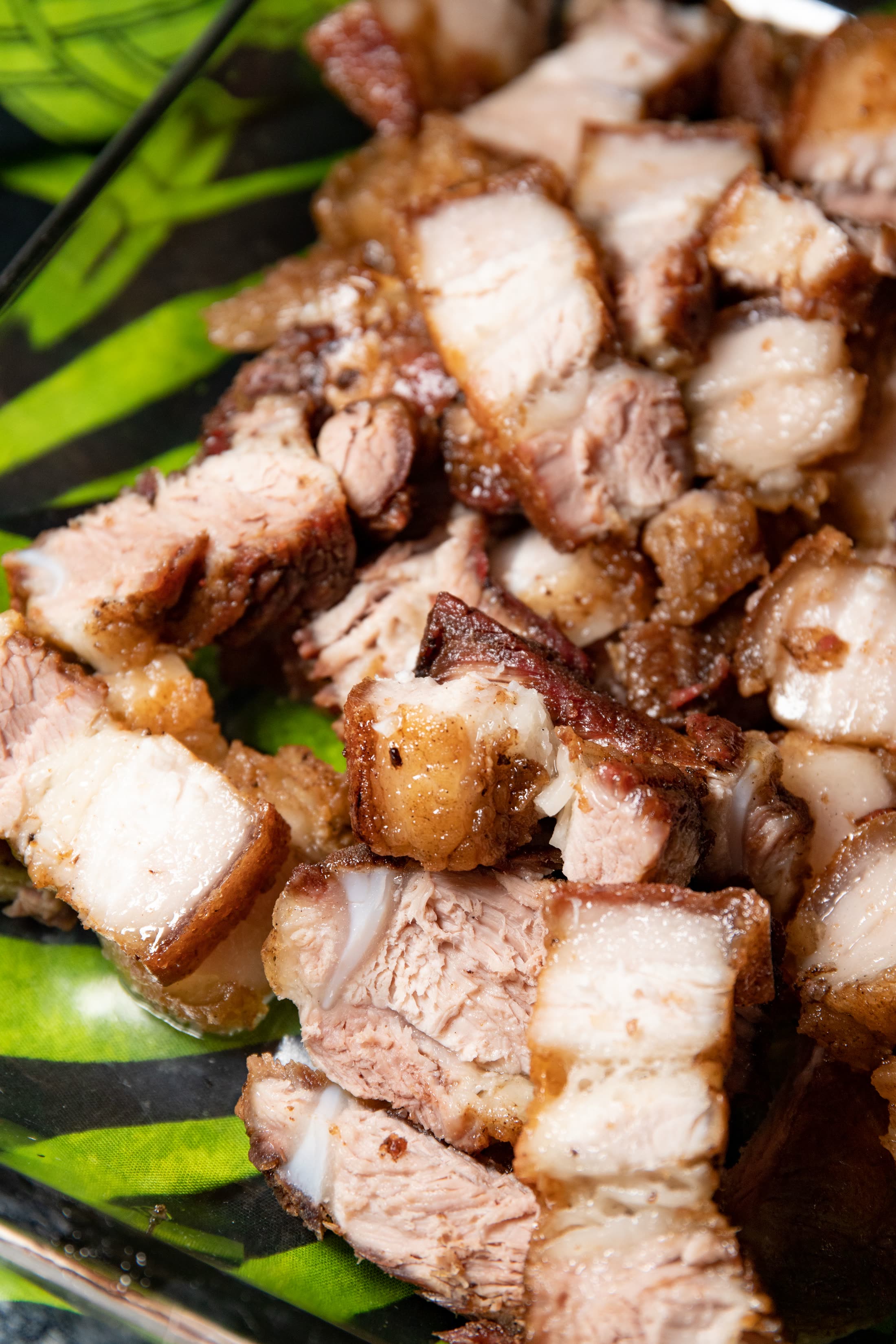
Adobo, meat braised in vinegar, soy sauce, garlic and bay leaf, is the closest thing the Philippines has to a national dish, and every region and even every family has its own version — worth trying at more than one local spot rather than assuming the first plate is definitive. Lechon, whole roasted pig with famously crackling skin, is the centerpiece of Filipino celebrations, and Cebu’s version, seasoned inside with lemongrass and other aromatics rather than left plain, is widely considered the country’s best. Kinilaw, raw fish cured in vinegar and citrus with ginger, onion and chili, predates Spanish colonial influence and offers a genuinely pre-colonial taste of Filipino cuisine, distinct from the more familiar Spanish-influenced dishes.

ACTIVITIES & PLACES
Activities & Places
The Bacuit Archipelago’s hidden lagoons, reached through narrow gaps in towering limestone cliffs that a small tender can navigate but larger tour boats cannot, remain the signature El Nido experience — Big Lagoon and Small Lagoon are the best known, but a private yacht can find quieter, unnamed equivalents throughout the chain. Coron, a few hours north of El Nido, holds several WWII Japanese shipwrecks in genuinely clear water, drawing wreck divers from around the world to a site with real historical weight behind the dive itself. Tubbataha Reef, a UNESCO World Heritage marine park accessible only by liveaboard during a narrow March-to-June window, is considered by serious divers among the finest reef systems on Earth, though reaching it requires committing an entire trip leg to the detour.
INSIDER TIP
El Nido’s lagoons enforce visitor caps and timed entry during peak season — a private yacht arriving independently of the standard island-hopping tour boats can often slip in during the gaps between organized groups.

Nearly two thousand limestone karsts rising from a single bay — a UNESCO seascape unlike anywhere else a yacht can anchor.
BEST SEASON
October – April
SIGNATURE PORT
Tuan Chau Marina, Halong City
INSIDER EDGE
Lan Ha Bay has far fewer tour boats than Ha Long
Port & City
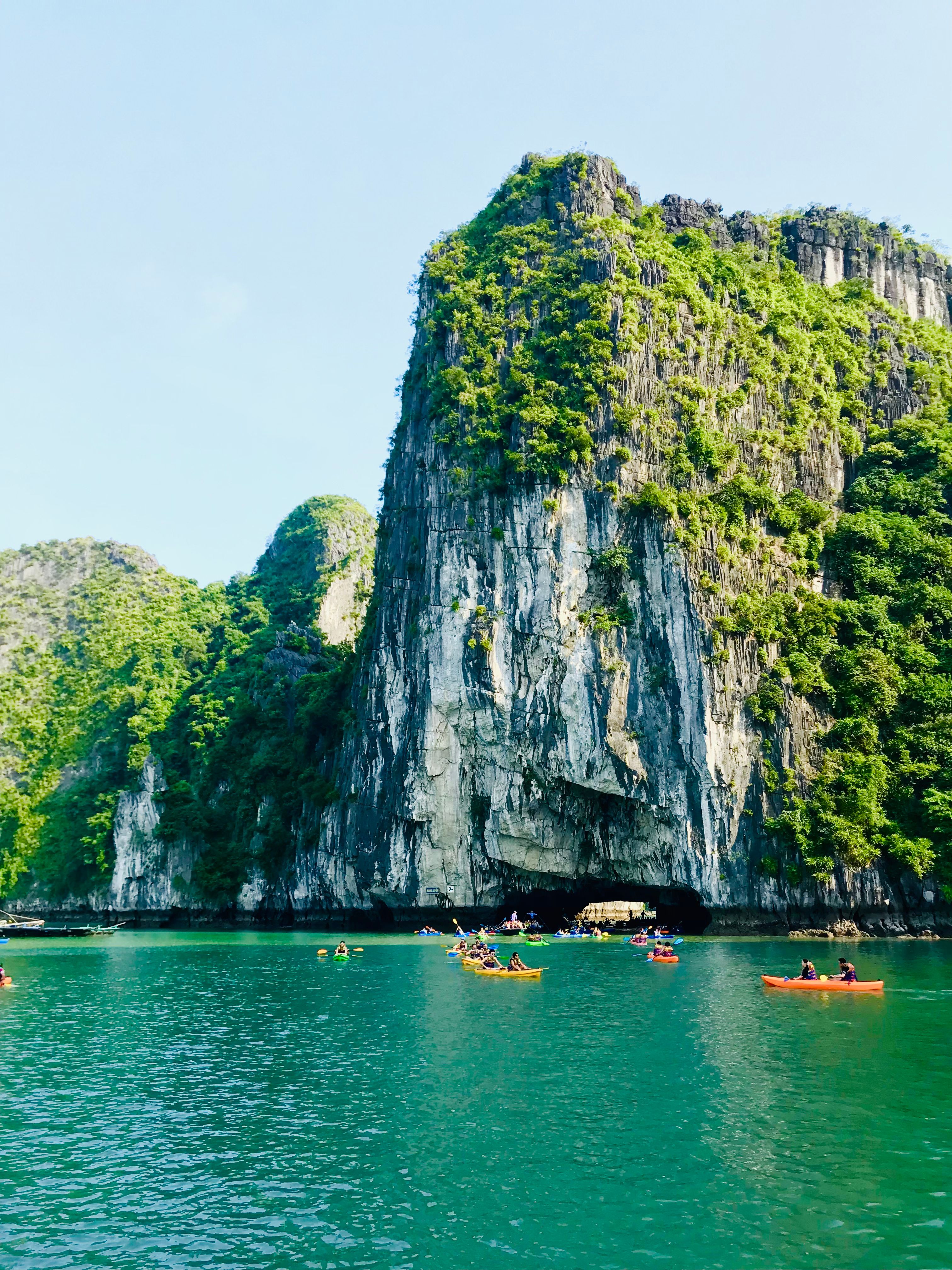
Tuan Chau Marina near Halong City is the practical staging point for Ha Long Bay, a UNESCO World Heritage seascape of nearly two thousand limestone islands and karst towers rising directly from emerald water. Ha Long Bay itself draws heavy day-tour boat traffic, and captains who know the region well tend to push southeast into Lan Ha Bay instead — geologically the same karst formation, administratively part of Cat Ba archipelago, with a fraction of the crowds and arguably better anchorages. Vietnam’s yachting infrastructure remains genuinely underdeveloped compared to Thailand or the Mediterranean, meaning this destination rewards captains comfortable with more self-sufficient cruising and less polished shoreside support.

CUISINE
Cuisine
Phở, the beef or chicken noodle soup that’s become Vietnam’s best-known export, tastes genuinely different from region to region — the northern version around Halong is lighter and less sweet than the herb-heavy southern style most visitors already know from abroad. Bún chả, grilled pork over rice noodles with a tangy dipping sauce, is a Hanoi specialty worth the detour if the itinerary extends toward the capital, roughly three hours from Halong Bay by road. Vietnamese coffee, brewed strong through a small metal drip filter and traditionally served with sweetened condensed milk, is a genuinely distinct ritual worth experiencing at a proper local café rather than a resort’s international breakfast spread.
ACTIVITIES & PLACES
Activities & Places
Lan Ha Bay’s karst towers, honeycombed with sea caves and grottoes, offer kayaking through natural rock arches and into hidden lagoons that a tender can reach but a large tour boat cannot — the single best way to experience the formation up close. Cat Ba National Park, on the largest island in the archipelago, protects the last wild population of the critically endangered Cat Ba langur, a primate found nowhere else on Earth, alongside limestone forest trails worth a half-day ashore. Sung Sot Cave, one of the largest and most dramatically lit caverns in Ha Long Bay, remains worth visiting despite the crowds for the sheer scale of its chambers, best timed for early morning before the bulk of the tour boats arrive.
INSIDER TIP
Basing the itinerary out of Lan Ha Bay rather than Ha Long Bay proper, then making day excursions into the more famous bay for its landmark sites, gets the best of both without the nightly congestion of anchoring where the tour fleet does.
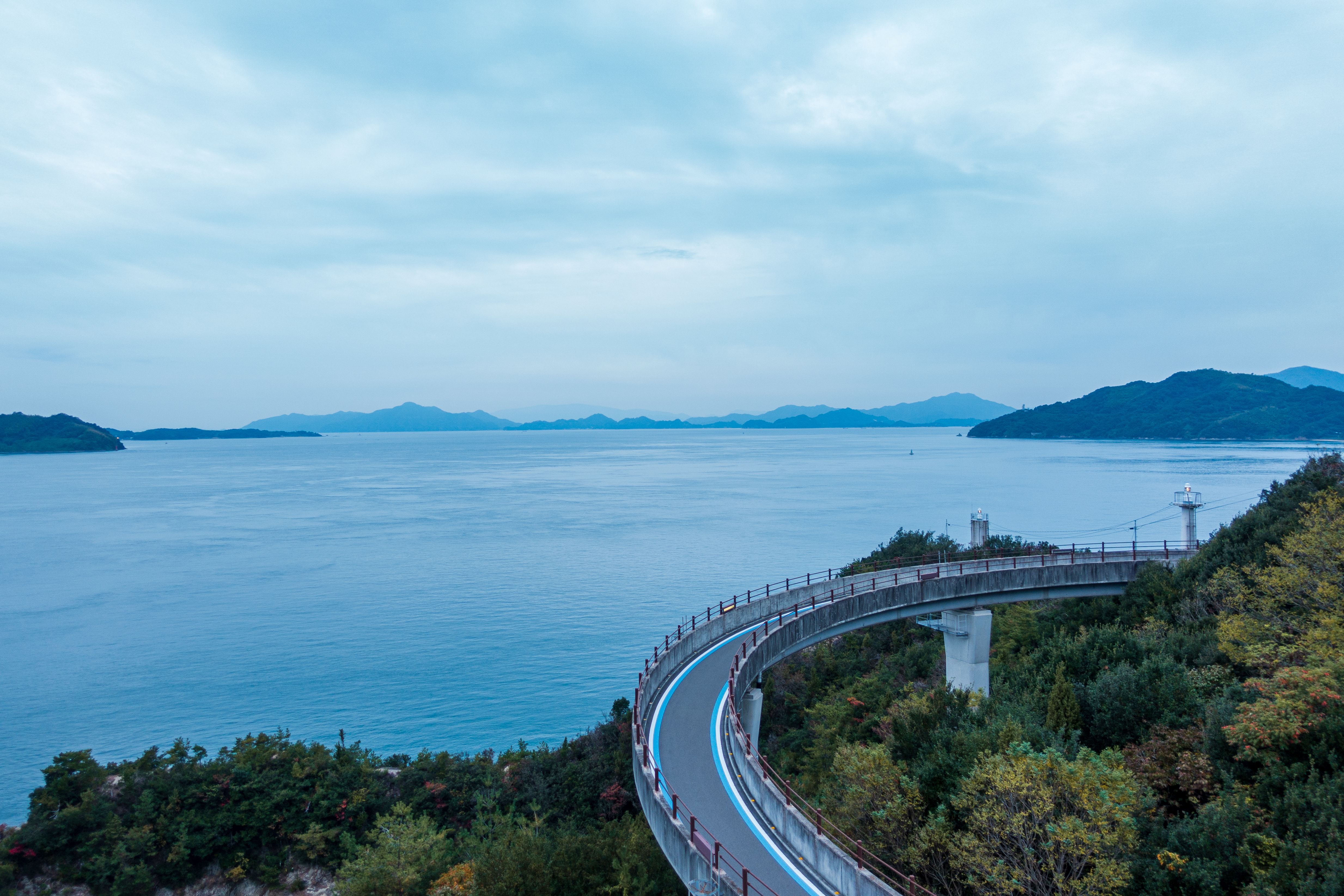
Three thousand islands scattered across the Seto Inland Sea — a cruising ground almost no Western charter fleet has properly discovered yet.
BEST SEASON
April – June, September – November
SIGNATURE PORT
Hiroshima Marina
INSIDER EDGE
Foreign yacht infrastructure is still genuinely limited
Port & City
The Seto Inland Sea, a sheltered body of water separating Honshu, Shikoku and Kyushu and scattered with roughly three thousand islands, remains one of the least-explored cruising grounds by international charter yachts despite genuinely calm, protected sailing conditions comparable to the Aegean. Hiroshima Marina offers the most practical staging point, with the city itself, rebuilt after 1945 into one of Japan’s more livable urban centers, offering a serious counterpoint to a beach-and-island itinerary. Japan’s marina infrastructure for foreign-flagged pleasure yachts is still developing compared to Europe or the Caribbean — port clearance and berth availability require more advance coordination through a local agent than captains used to established charter destinations typically expect.
CUISINE
Cuisine
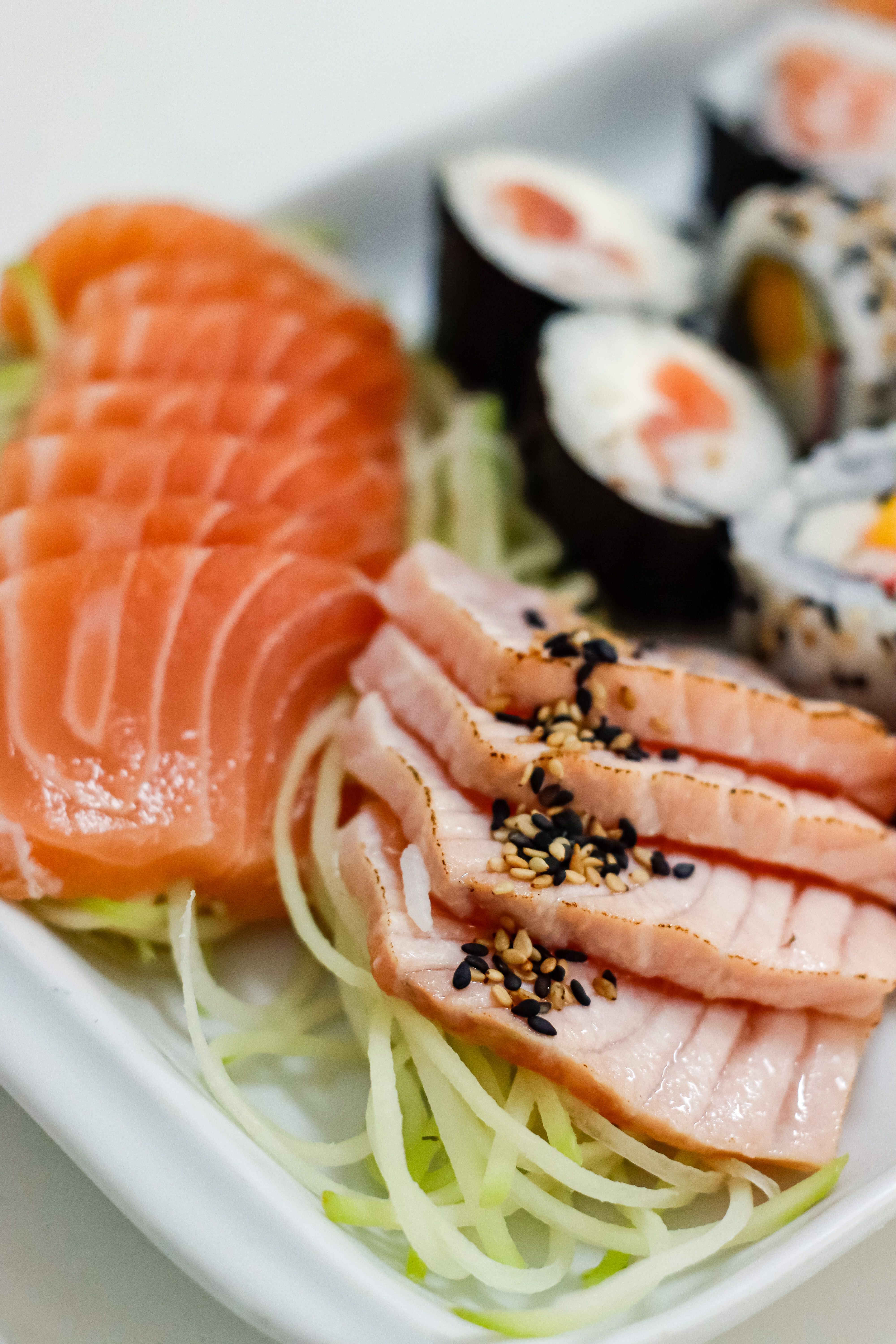
Hiroshima-style okonomiyaki, a layered savory pancake built with noodles and cabbage rather than the batter-mixed Osaka version, is the city’s defining dish and worth seeking out at one of the small counter restaurants in the Okonomimura food building rather than a tourist-district chain. The Seto Inland Sea region is genuinely serious oyster country, with Hiroshima Prefecture producing roughly half of Japan’s entire oyster harvest — grilled or raw straight from the farms scattered through the islands is worth arranging directly rather than through a hotel restaurant markup. Sake production runs deep in this region too, and a visit to one of Saijo’s historic breweries, a short trip from Hiroshima, offers tastings considerably more serious than what most izakaya bars abroad ever pour.
ACTIVITIES & PLACES
Activities & Places
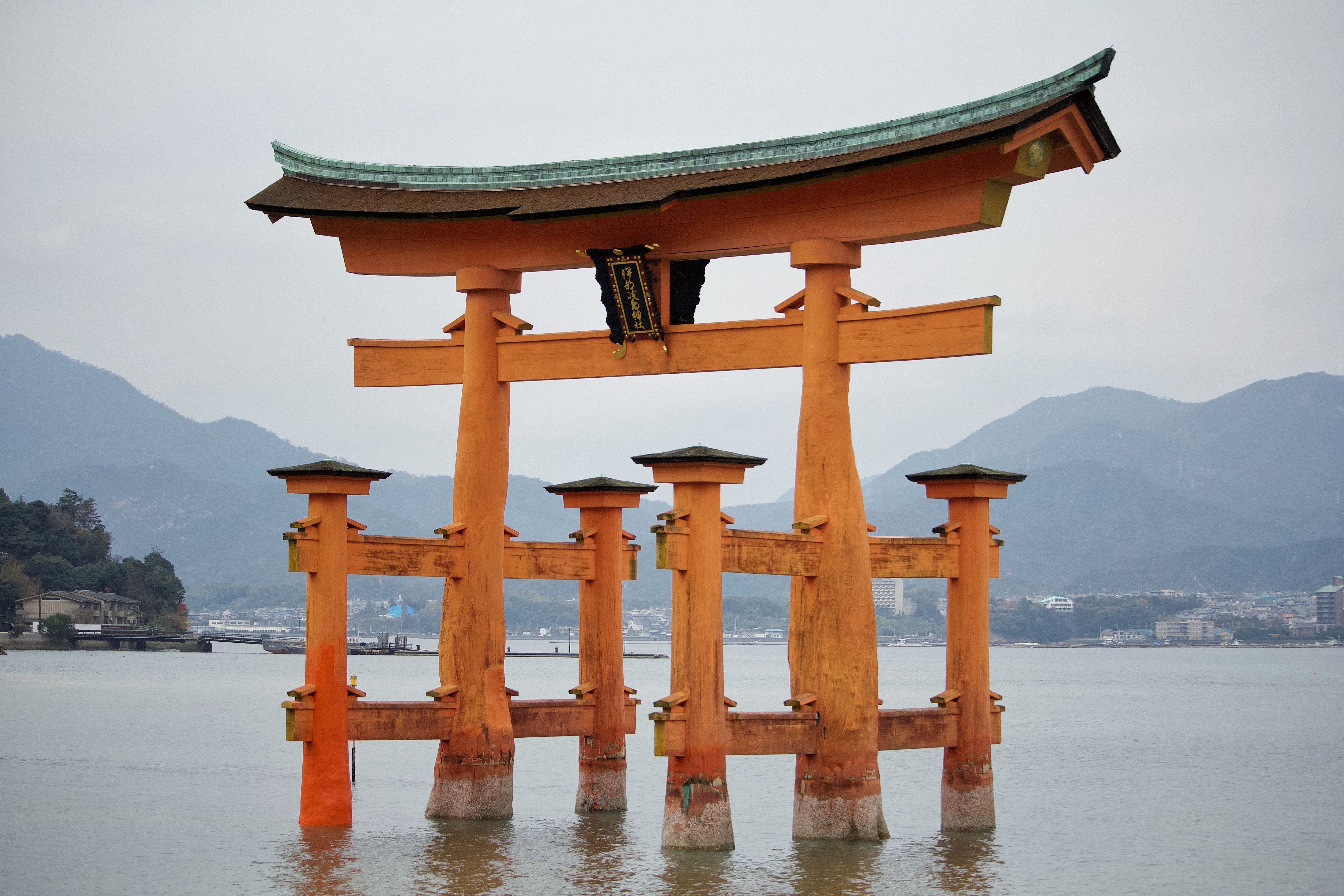
Miyajima’s floating torii gate at Itsukushima Shrine, appearing to hover on the water at high tide, is one of Japan’s most photographed sites and best approached by tender directly, timed against the tide tables to catch the gate genuinely surrounded by water rather than exposed mudflat. The Shimanami Kaido, a cycling route connecting a chain of Seto islands via a series of dramatic suspension bridges, offers a rare chance to explore the region from land — worth arranging bicycles for guests who want a change from the water for a day. Onomichi, a small hillside port town along the route, has retained a genuinely old-fashioned character with narrow lanes and temple staircases, a texture increasingly rare in Japan’s more developed coastal cities.
INSIDER TIP
A Japanese-speaking agent is genuinely essential here, not a convenience — port authority communications, fishing-ground etiquette and berth negotiations rarely happen in English outside the largest commercial harbors.